Learn essential Japanese greeting phrases used in daily life. Includes meanings, pronunciation, polite forms, and when to use each expression.
Want to learn Japanese in Japan? Ask any questions!
Apply with Travelife Japan to receive personalized guidance, application support, and a smoother enrollment experience.
Common Japanese Greeting Phrases With Meanings and Use
Greetings are the foundation of friendly communication in any language, and Japanese is no exception. Knowing common Japanese greeting phrases helps you connect with people in everyday situations, shows respect, and enhances your cultural experience whether you are traveling, studying, or living in Japan.
This guide presents essential greeting expressions with pronunciation (romaji), English meanings, and clear descriptions of when to use them. You will learn greetings for different times of day, polite and casual forms, and phrases used for arriving, departing, and expressing gratitude.
Below is a table of practical greetings used in Japanese daily life. Each entry includes the Japanese phrase, romaji, English meaning, and advice on when to use it.
| Japanese | Romaji | Meaning (English) | When to Use |
|---|---|---|---|
| おはようございます | ohayou gozaimasu | Good morning | Use formally before around 10 AM with people you respect. |
| おはよう | ohayou | Morning (casual) | Use with friends or people of equal age in the morning. |
| こんにちは | konnichiwa | Hello / Good afternoon | Use as a general greeting during the day. |
| こんばんは | konbanwa | Good evening | Use after sunset when greeting in the evening. |
| さようなら | sayounara | Goodbye | A more formal farewell when parting for a long time. |
| またね | mata ne | See you | Casual goodbye among friends. |
| ありがとう | arigatou | Thank you | Casual thanks; friendly and polite. |
| ありがとうございます | arigatou gozaimasu | Thank you very much | Polite expression for thanks in most situations. |
| すみません | sumimasen | Excuse me / Sorry | Use to get attention or apologize politely. |
| はじめまして | hajimemashite | Nice to meet you | Use when meeting someone for the first time. |
| よろしくお願いします | yoroshiku onegaishimasu | Please treat me well | Use after introductions in polite settings. |
| お元気ですか? | o-genki desu ka? | How are you? | Ask someone’s wellbeing politely. |

How to Use Japanese Greeting Phrases Naturally
Greetings Depending on Time of Day
Japanese greetings change based on the time of day. おはようございます (ohayou gozaimasu) is used in the morning, こんにちは (konnichiwa) during the day, and こんばんは (konbanwa) in the evening. Using the appropriate greeting shows respect and cultural awareness.
Formal vs Casual Greetings
Many greetings have both polite and casual versions. For example, おはようございます is more polite, while おはよう is used among friends and family. When speaking with people you don’t know well, in workplaces, or with elders, choose the polite forms.
Meeting and Parting Expressions
When meeting someone for the first time, start with はじめまして (hajimemashite) followed by your name. After that, saying よろしくお願いします (yoroshiku onegaishimasu) expresses your goodwill and willingness to build a positive relationship.
For saying goodbye, さようなら (sayounara) is formal and used when you won’t see the person for a while, while またね (mata ne) is casual and suitable among friends.
Thanking and Apologizing
Expressing thanks and apologies is important in Japanese culture. ありがとう (arigatou) and ありがとうございます (arigatou gozaimasu) are used to show gratitude. すみません (sumimasen) doubles as both “excuse me” and a polite apology in many situations.
Tips for Learning and Practicing Greetings
- Practice pronunciation aloud. Greetings are often heard first before other parts of speech, so clear pronunciation makes a positive impression.
- Use context to choose formality. When in doubt, use polite phrases — they are always safe.
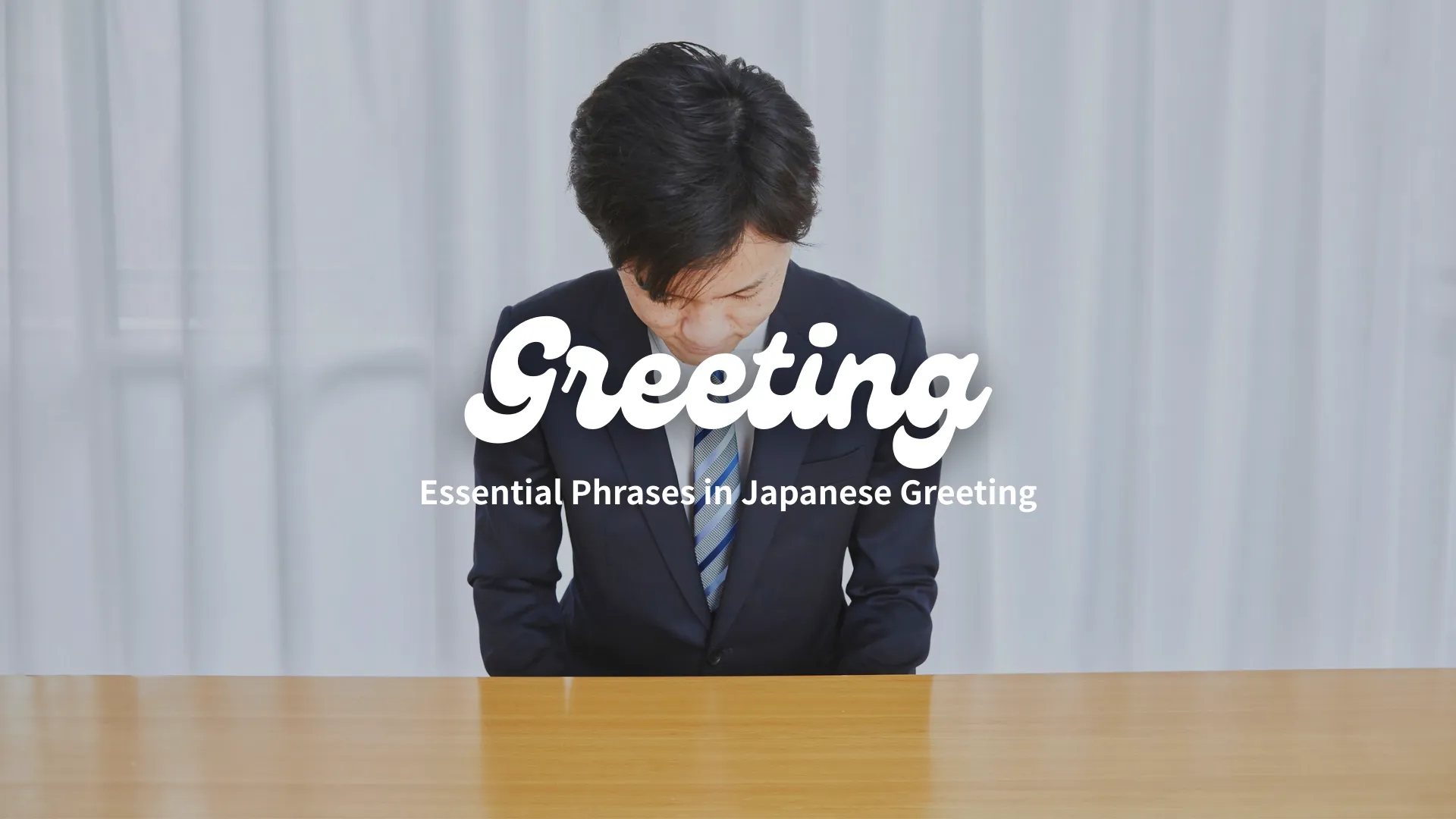
- Mix greetings with body language. A slight bow is common in Japan to show respect when greeting or thanking someone.
- Learn greetings through real interaction. Trying these phrases in conversations or language exchange helps internalize natural usage.

Conclusion
Japanese greeting phrases are simple yet powerful tools for building rapport and making meaningful connections. With everyday expressions like こんにちは (konnichiwa), ありがとう (arigatou), and よろしくお願いします (yoroshiku onegaishimasu), you’ll navigate social situations with confidence and cultural respect. Practice these essential phrases frequently, and you’ll soon feel more comfortable communicating in Japanese daily life.
CONTACT US
For studying Japanese in Japan, please contact us.