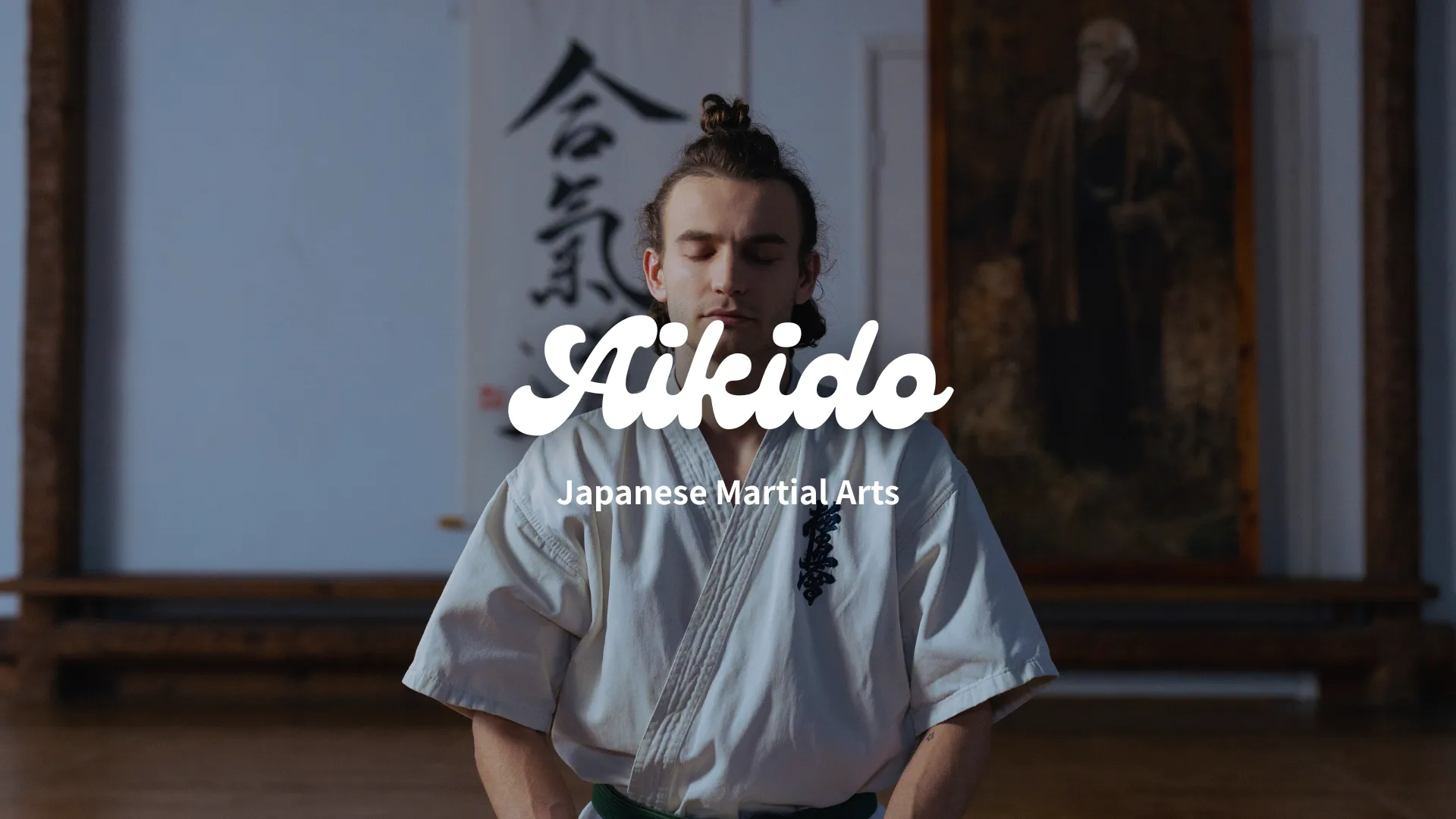
Explore Aikido in Japan, including its history, techniques, training style, philosophy, and cultural significance as a traditional martial art emphasizing harmony and mindful self-defense.
Want to learn Japanese in Japan? Ask any questions!
Apply with Travelife Japan to receive personalized guidance, application support, and a smoother enrollment experience.
What Is Aikido?
Aikido is a modern Japanese martial art developed by Morihei Ueshiba in the early 20th century as a synthesis of his extensive martial training and spiritual beliefs. It emphasizes harmony, balance, and peaceful resolution rather than aggression. The name Aikido literally means “the Way of unifying with life energy,” combining ai (harmony), ki (spirit or energy), and do (the way).
Ueshiba (1883–1969), known as Ō-Sensei (Great Teacher), studied several traditional Japanese martial arts, including Daitō-ryū Aiki-jūjutsu, swordsmanship, and other close-combat systems, before creating Aikido. His vision was not simply to teach effective self-defense, but to cultivate a practice that protected both defender and attacker from harm and encouraged spiritual growth.
Unlike many older martial arts designed for combat effectiveness, Aikido places the emphasis on blending with an opponent’s attack, redirecting momentum, and neutralizing aggression through controlled techniques. Aikido does not focus on competitive winning or striking targets, but rather on developing harmony between mind and body.
Today Aikido is practiced globally, yet it remains deeply rooted in Japanese culture and philosophy. Its teaching extends beyond techniques: practitioners seek self-improvement, mental calm, and resilience through disciplined training.

Aikido Techniques, Rules, and Training Style
Aikido techniques consist primarily of throws, joint locks, pins, and movements designed to off-balance and control an attacker without causing unnecessary injury. These principles are derived from traditional Japanese martial arts and adapted into fluid, circular movements that harmonize with an incoming attack.
Central to Aikido practice is the idea of blending with an opponent’s energy rather than opposing it directly. Practitioners step off the line of attack, pivot, and guide their partner’s momentum into a throw or lock. This focus on circular motion and body alignment allows Aikido techniques to be effective regardless of a practitioner’s size or strength.
Although Aikido does not have formal competition like many sport-oriented martial arts, training includes partner exercises called kumitachi and randori designed to develop fluid application of techniques against varying attacks. These drills help students learn timing, distance (maai), and balance control in dynamic situations.
Training also incorporates weapons practice, including wooden sword (bokken), staff (jo), and sometimes wooden knife (tanto), which strengthen body mechanics and deepen understanding of movement principles. Weapons work is typically practiced in paired forms or kata, emphasizing awareness and precision.
Etiquette and discipline are integral to Aikido training. Practitioners bow at the beginning and end of class, observe formal dojo rituals, and wear traditional uniforms (keikogi and often hakama for advanced students). These elements reinforce respect, mindfulness, and community within the training space.
Aikido Philosophy, Values, and Cultural Significance
Aikido’s core philosophy emphasizes harmony, non-aggression, and self-improvement. Ueshiba envisioned Aikido not as a method to defeat others but as a path to overcome one’s own ego and cultivate compassion. This philosophy informs every aspect of training and distinguishes Aikido from many martial arts focused primarily on combat or competition.
The principle of harmony in Aikido teaches that conflict can be resolved without destruction. Students practice techniques that redirect the force of an attacker, using circular movement and balance disruption to neutralize aggression. This approach reflects broader Japanese cultural values of social harmony, respect, and self-control.
Respect and etiquette are foundational in Aikido dojos. Formal bows, ritualized etiquette (reiho), and adherence to training protocols reinforce humility and awareness of others. These practices encourage moral discipline alongside physical skill.
Unlike competitive martial arts that emphasize winning, Aikido values cooperation. Training partners work together to improve each other’s technique and understanding, fostering mutual growth. This cooperative training environment supports personal reflection, emotional balance, and mental clarity.
Aikido’s cultural significance in Japan lies not just in its martial application but in its philosophical message. The art continues to be taught in dojos, community centers, and schools, educating practitioners about harmony, resilience, and mindful living. Its global popularity highlights Aikido’s universal appeal as a discipline that transcends physical combat to nurture inner harmony.

Conclusion
Aikido is a Japanese martial art that blends technique with philosophy, emphasizing harmony, balance, and respectful self-defense. Founded by Morihei Ueshiba, its techniques utilize circular movement to neutralize aggression without harm. Through disciplined training and etiquette, Aikido cultivates physical skill as well as mental calm and personal growth, making it both a martial discipline and a path toward inner harmony.
CONTACT US
For studying Japanese in Japan, please contact us.