Explore Japanese subcultures, including anime, manga, gaming, cosplay, music, fashion, idols, and VTubers, and learn how these creative movements shape identity, creativity, and cultural influence.
Want to learn Japanese in Japan? Ask any questions!
Apply with Travelife Japan to receive personalized guidance, application support, and a smoother enrollment experience.
What Are Japanese Subcultures?
Japanese subcultures are unique cultural movements that exist outside mainstream popular culture and reflect creativity, individuality, and expressive freedom. Unlike widely accepted cultural trends that appeal to the majority, subcultures are often rooted in niche interests, experimental styles, and passionate communities that challenge conventional norms. Japanese subcultures encompass a wide range of creative expressions such as manga, anime, gaming, fashion, music, cosplay, and idol culture, each representing a distinct facet of Japan’s cultural landscape.
In Japan, these subcultures have played a significant role in shaping both domestic and global cultural influence, contributing to economic growth and international popularity. Rather than simply being alternative trends, subcultures often emerge from youth movements, urban lifestyles, and fan communities that celebrate innovation, fantasy, and personal identity. These cultures attract followers around the world, making Japanese subcultural phenomena an important component of contemporary cultural exchange and global pop culture influence.
Subculture in Japan is distinct from mainstream pop culture in that it develops within more specific, passionate communities. While pop culture tends to appeal broadly, subculture connects deeply with smaller groups who share intense enthusiasm for particular genres, characters, narratives, or aesthetic expressions. This dynamic allows subcultures to incubate new ideas and styles, many of which eventually influence the mainstream.

Major Types and Examples of Japanese Subculture
Japanese subcultures include a diverse set of creative scenes, each with its own identity, community, and aesthetic.
Anime and Manga
Anime (Japanese animation) and manga (Japanese comics) are core pillars of subculture. With rich storytelling, emotional depth, and stylistic variation, these mediums have global appeal. Anime brings stories to life through movement and sound, while manga offers nuanced narratives in visual-text form.
Gaming and Virtual Worlds
Gaming is a strong subcultural force in Japan, closely linked with anime and fan communities. Japanese video games are known for imaginative worlds, unique characters, and narrative depth, contributing significantly to global gaming culture.
Cosplay and Character Expression
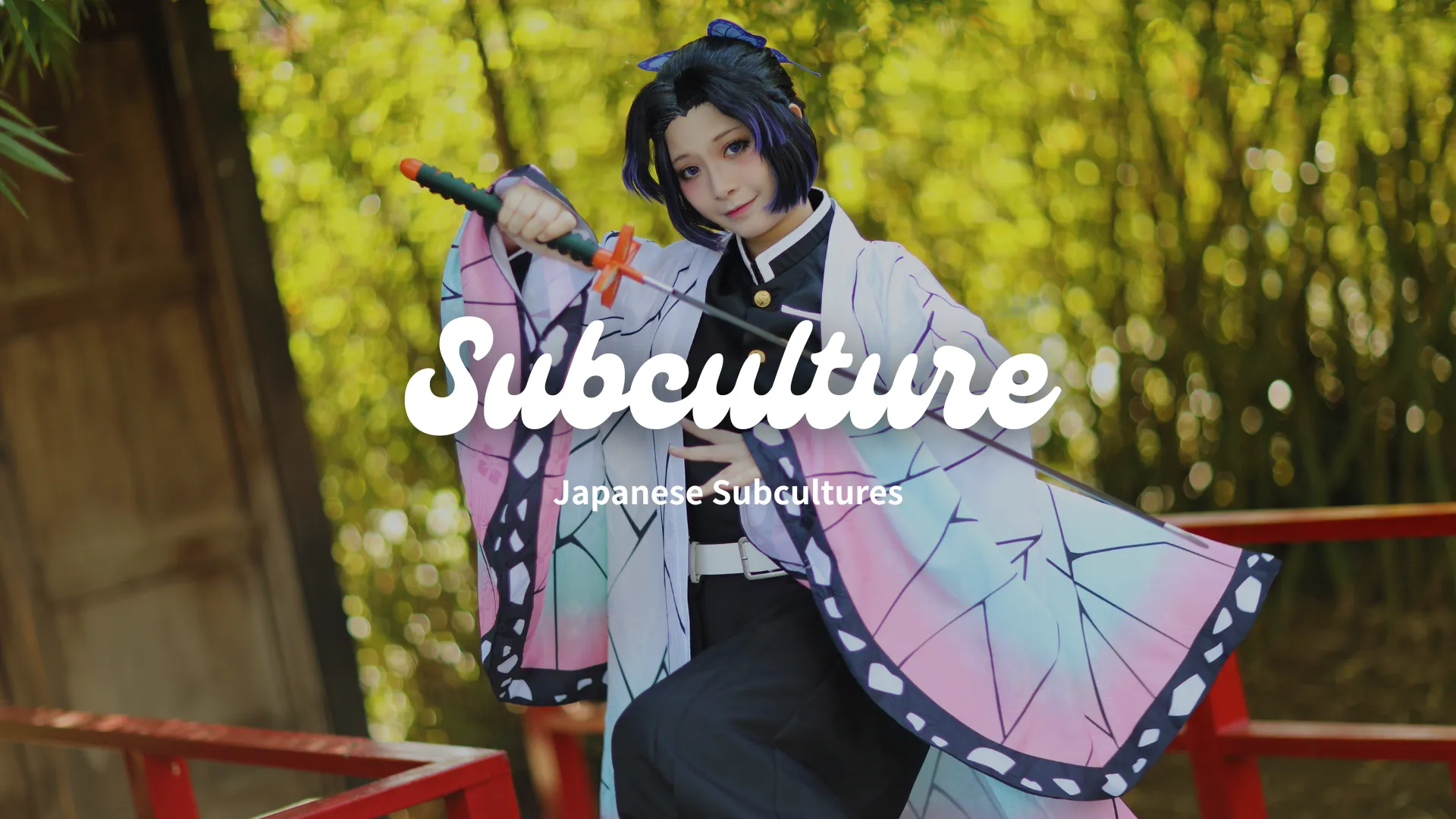
Cosplay—dressing up as characters from anime, manga, or games—is a form of creative expression where fans embody their favorite characters. It combines costume design, performance, and community participation, making it a central subcultural activity both in Japan and internationally.
Idol and VTuber Culture
Idol culture features young performers who cultivate dedicated fan followings through music, media appearances, and fan events. VTubers (virtual YouTubers) represent a newer phenomenon where creators use animated avatars to stream content, merging gaming, voice performance, and digital persona in innovative ways.
Music and Street Culture
Subcultural music scenes include experimental genres and niche fan bases that interact with other cultural elements like anime and fashion. Japanese street fashion—from Harajuku’s eclectic styles to Visual Kei and Lolita fashion—exemplifies how fashion becomes a subcultural statement distinct from mainstream trends.
These examples represent just a portion of the subcultural diversity in Japan. Subcultures continually evolve, influenced by technology, fan creativity, and changing social values. They often serve as incubators for new trends, many of which eventually feed back into mainstream culture.

Japanese Subculture’s Influence and Cultural Significance
Japanese subcultures play a major role in how Japan’s culture is experienced internationally. Many elements—especially anime, manga, and gaming—have become global cultural exports, shaping perceptions of Japan around the world. These subcultural expressions contribute not only to entertainment but also to tourism, fashion, technology, and media industries.
The relationship between subculture and mainstream culture in Japan is dynamic and reciprocal. While subcultures often start as niche movements with dedicated followers, successful subcultural elements frequently influence mainstream pop culture. For example, characters, fashion trends, and narrative styles from subcultural media are often adopted by broader audiences, blurring the line between subculture and popular media.
Subcultures also offer a platform for individual identity and community formation. Fans gather around shared interests, forming networks—both online and offline—that support creative collaboration, social bonding, and cultural innovation. These communities help individuals explore alternative expressions of identity and connect deeply with others who share similar passions.
Ultimately, Japanese subcultures enrich Japan’s cultural landscape by fostering diversity, creativity, and innovation. They demonstrate how cultural expression can reflect not only entertainment but also the values, aspirations, and imaginings of a society in constant evolution.
CONTACT US
For studying Japanese in Japan, please contact us.