Discover Judo in Japan, exploring its history, core techniques, training methods, philosophy, and cultural significance as a traditional martial art and globally recognized competitive sport.
Want to learn Japanese in Japan? Ask any questions!
Apply with Travelife Japan to receive personalized guidance, application support, and a smoother enrollment experience.
What Is Judo?
Judo is a modern Japanese martial art founded in the late 19th century that emphasizes throwing, grappling, and controlled ground techniques. The name Judo means “the gentle way,” reflecting its core principle of using efficiency, balance, and technique rather than brute strength. Although Judo is widely practiced as a competitive sport today, it was originally conceived as a comprehensive system for physical education, mental discipline, and moral development.
Judo was founded in 1882 by Jigoro Kano, an educator and martial artist who sought to preserve traditional Japanese jujutsu while adapting it to the needs of modern society. At the time, many classical jujutsu schools were in decline following Japan’s rapid modernization during the Meiji period. Kano studied several jujutsu styles and extracted techniques that could be practiced safely while still retaining martial effectiveness.
Rather than focusing on combat alone, Kano envisioned Judo as an educational discipline. He removed dangerous techniques, introduced structured training methods, and emphasized principles that could be applied beyond physical confrontation. This approach allowed Judo to be practiced by people of different ages and physical abilities, contributing to its rapid spread throughout Japan.
Judo was officially introduced into Japan’s educational system in the early 20th century and later recognized as an international sport. In 1964, Judo became the first Japanese martial art to be included in the Olympic Games, further cementing its global status. Despite its sportification, Judo in Japan continues to be rooted in Kano’s original philosophy of mutual welfare and efficient use of energy.
Today, Judo is practiced worldwide, yet its cultural and philosophical foundations remain distinctly Japanese. In Japan, Judo is commonly taught in schools, universities, police training programs, and traditional dojos, functioning as both a martial art and a means of character education.

Judo Techniques, Rules, and Training Style
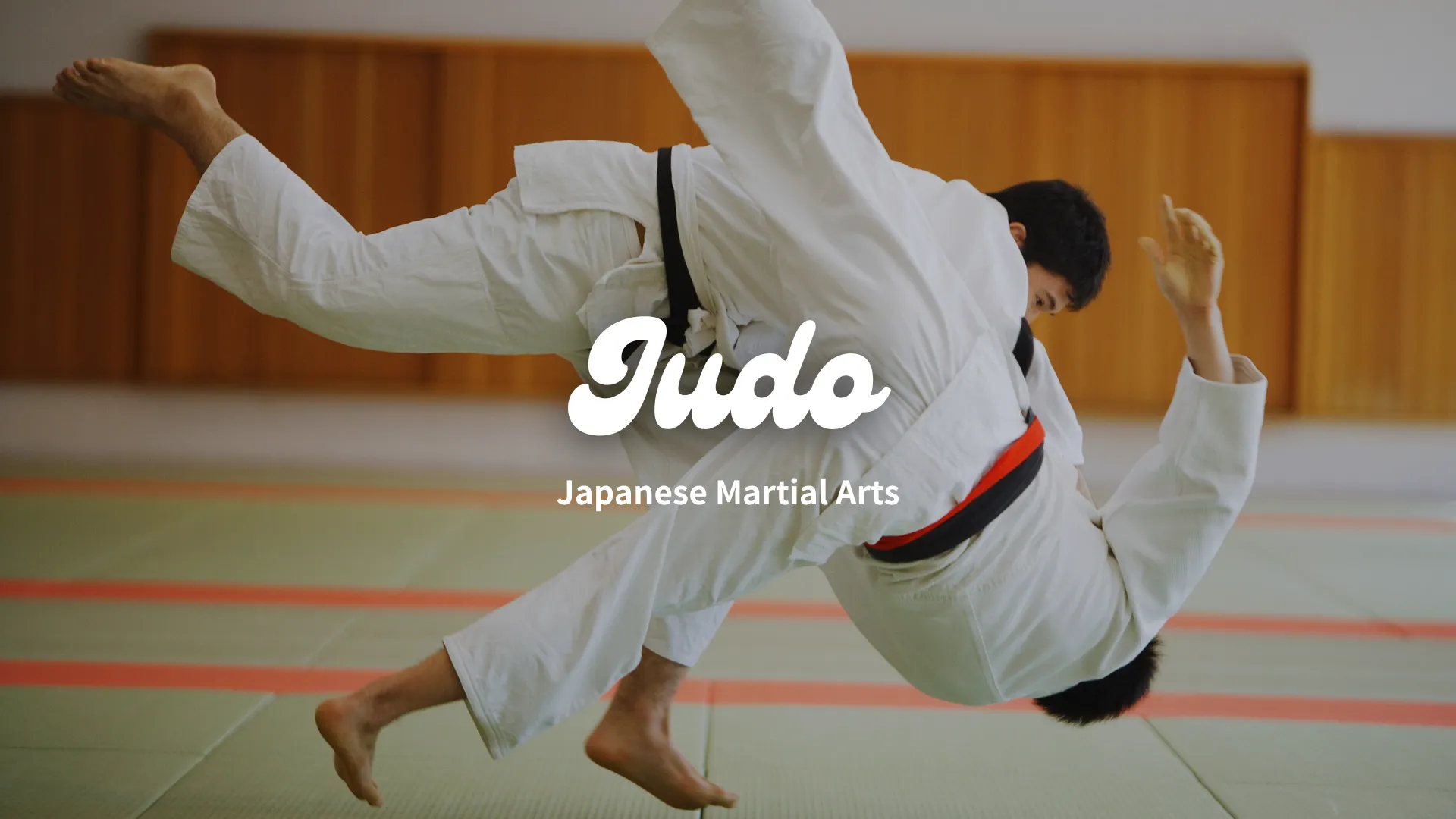
Judo is a grappling-based martial art that focuses on throwing an opponent to the ground, controlling them through pins, and applying joint locks or choke techniques. Striking techniques exist historically but are not part of standard practice or competition. The emphasis is on balance disruption, timing, and leverage rather than physical force.
Techniques in Judo are broadly divided into three categories. Nage-waza are throwing techniques that aim to unbalance and project the opponent. Katame-waza are groundwork techniques that include pins, joint locks, and chokeholds. Atemi-waza are striking techniques that exist primarily in kata and are not used in competitive matches.
A Judo match takes place on a mat-covered area called a tatami. The primary objective in competition is to score an ippon, which represents a decisive victory. An ippon can be achieved through a clean, controlled throw, a successful submission, or a pin held for a specific duration. This scoring system reinforces Judo’s emphasis on precision and control.
Training in Judo typically begins with ukemi, or breakfall techniques. Learning how to fall safely is considered essential, allowing practitioners to train dynamically without injury. This focus on safety reflects Jigoro Kano’s educational philosophy and distinguishes Judo from older jujutsu systems.
Judo practice usually includes repetitive drills, partner exercises, and randori, which is free practice against a resisting opponent. Randori allows practitioners to apply techniques fluidly while maintaining control and respect. Rather than focusing solely on winning, randori is intended as a learning tool to develop adaptability and awareness.
Uniforms and etiquette play an important role in Judo training. Practitioners wear a judogi designed to withstand gripping and throwing. Bowing before and after practice sessions reinforces respect for training partners and the dojo. Rank progression is marked by a colored belt system, symbolizing experience and responsibility rather than absolute mastery.
While international competition has influenced modern Judo rules, traditional training in Japan continues to prioritize technical correctness, balance, and mental composure over tactical point scoring alone.
Judo Philosophy, Values, and Cultural Significance
Judo’s philosophy is defined by two core principles articulated by its founder. Seiryoku zenyo means the most efficient use of energy, encouraging practitioners to act with precision and purpose. Jita kyoei means mutual welfare and benefit, emphasizing cooperation, respect, and collective growth.
These principles shape every aspect of Judo practice. Techniques are designed to neutralize strength with technique, reinforcing the idea that adaptability and intelligence outweigh physical dominance. Training partners are not adversaries but collaborators in mutual improvement.
Discipline and respect are central values in Judo culture. Hierarchy within the dojo is observed, and senior practitioners are expected to guide juniors through example. Etiquette governs behavior both on and off the mat, reinforcing humility and self-control.
Judo also plays an important role in Japanese education and society. It is commonly taught in schools as part of physical education, promoting physical fitness, mental resilience, and ethical conduct. This educational role reflects Jigoro Kano’s original vision of Judo as a means of holistic development.
Culturally, Judo represents Japan’s ability to modernize tradition without abandoning its philosophical roots. As a martial art, sport, and educational system, Judo bridges the gap between classical budo and contemporary global athletics. Its international success has helped shape the global perception of Japanese martial arts.
Despite rule changes and competitive evolution, traditional Judo in Japan continues to emphasize character development and mutual respect, ensuring that its philosophical foundations remain intact.

Conclusion
Judo is more than a competitive sport or grappling system. It is a Japanese martial art built on principles of efficiency, cooperation, and personal growth. Through its techniques, structured training, and educational philosophy, Judo reflects a balanced approach to physical skill and moral development. As both a global sport and a traditional discipline in Japan, Judo continues to demonstrate how martial arts can serve society beyond combat.
CONTACT US
For studying Japanese in Japan, please contact us.