Explore what Kendo is in Japan, including its history, techniques, training, rules, philosophy, and cultural significance as a traditional martial art and way of the sword.
Want to learn Japanese in Japan? Ask any questions!
Apply with Travelife Japan to receive personalized guidance, application support, and a smoother enrollment experience.
What Is Kendo?
Kendo, meaning “the way of the sword,” is a traditional Japanese martial art that evolved from samurai swordsmanship and emphasizes both physical skill and personal development. Originally rooted in kenjutsu, the combative art of the samurai warrior class, Kendo transformed over centuries into a disciplined practice focusing on etiquette, technique, and character refinement.
The earliest origins of Kendo can be traced to Japan’s feudal eras when skilled swordsmen learned to fight with the Japanese sword, or nihonto, in life-or-death combat. As Japan entered times of peace, especially during the Edo period (1603–1868), swordsmanship shifted from battlefield necessity to a method of training the mind and body. Training was conducted with wooden swords and protective gear to reduce risk while maintaining the spirit of the art.
In the modern era, Kendo became standardized in the early 20th century when various kenjutsu schools unified techniques and practices under organized federations. During this period, the term “Kendo” began to replace earlier terms, signaling a shift from purely combative skill to a way of life grounded in discipline and mutual respect.
Today, Kendo is practiced widely across Japan and the world. Practitioners, known as kendoka, cultivate precision, concentration, and spirit through structured training, formal etiquette, and competitive matches. Although it has competitive elements, Kendo’s deeper intent is to foster self-improvement and cultivate a vigorous, disciplined spirit.

Kendo Techniques, Rules, and Training Style
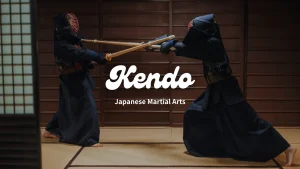
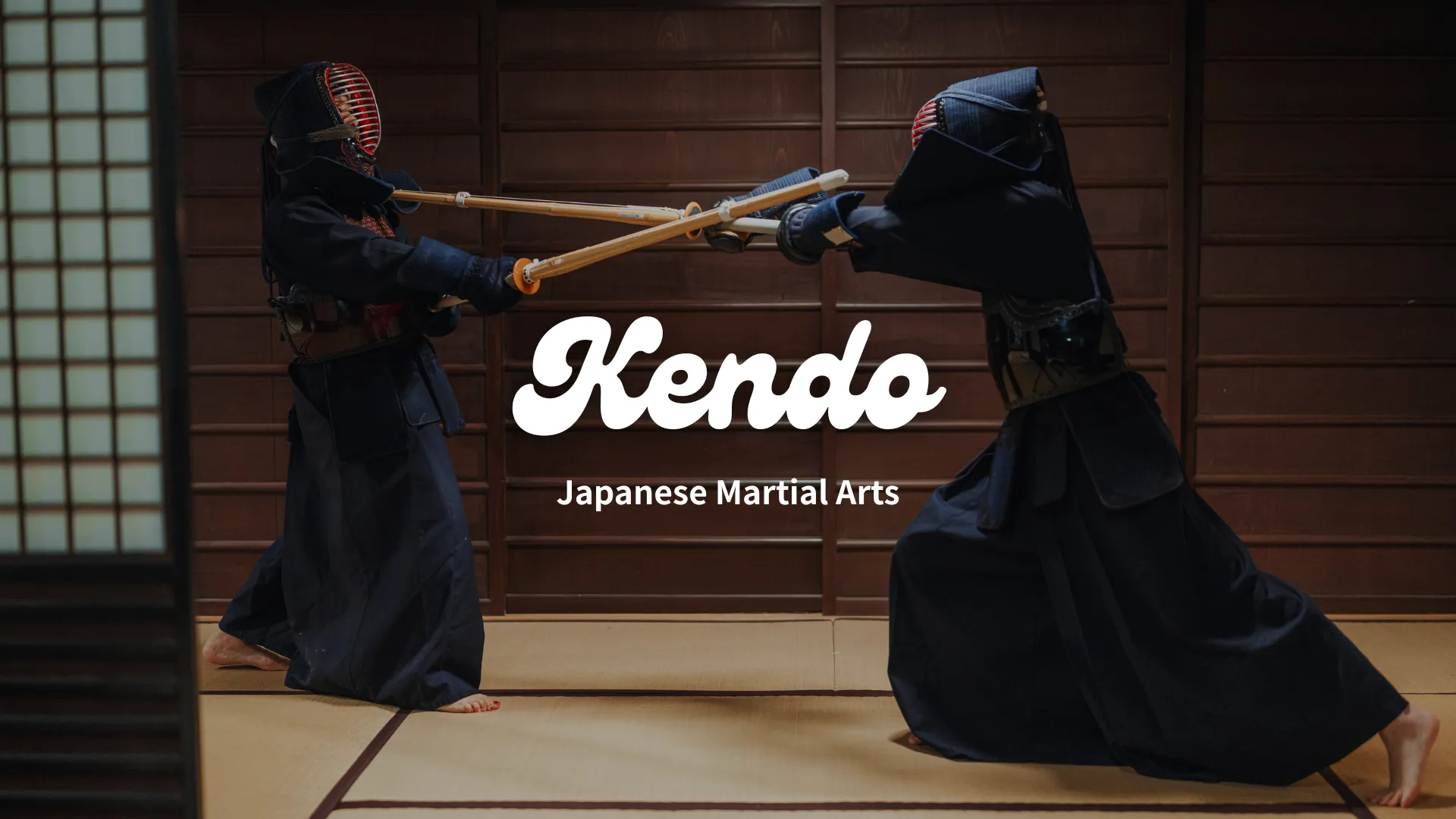
Kendo uses a bamboo sword called a shinai and protective armour known as bogu. The shinai allows kendoka to practice dynamic strikes safely, while bogu protects the head, torso, forearms, and lower body during matches and training.
Techniques in Kendo focus on precise strikes to four valid target areas: the head (men), wrists (kote), torso (dō), and throat (tsuki). To score, a strike must combine correct form, proper timing, and spirited intent, often expressed through a characteristic shout called kiai. This integration of physical action and spirit reflects the core principle of mind, body, and sword acting in unison.
Training in Kendo begins with basic footwork, posture, and striking drills, and progresses to partnered exercises and matches. Etiquette plays a central role, with formal bows and rituals observed before and after practice. These actions reinforce respect for opponents, instructors, and the art itself.
Kendo matches are typically structured within defined time limits, and points are awarded when judges deem a strike valid based on form, precision, and spirit. Unlike some combat sports, scoring is not based solely on contact; technique and intention are equally important.
Training also includes kata, prearranged forms where practitioners execute set sequences of movements to internalize principles of timing, distance, and spirit. These kata preserve classical swordsmanship techniques and connect modern kendoka with historical roots.
Kendo Philosophy, Values, and Cultural Significance
Kendo is deeply rooted in bushido, the ethical code of the samurai, and reflects traditional Japanese values of respect, discipline, and personal growth. Beyond scoring points and winning matches, Kendo emphasizes the cultivation of a calm, focused mind and the development of character through rigorous training.
A fundamental concept in Kendo is the unity of spirit, technique, and body, often expressed as shin-ki-ryoku-no-itchi. This principle teaches that physical technique must be harmonized with mental clarity and spiritual resilience.
Etiquette, or reiho, is essential in Kendo. Every practice begins and ends with formal bows, acknowledging the dojo, instructors, and fellow practitioners. This emphasis on respect mirrors broader cultural values in Japan that honor harmony, humility, and awareness of others.
Kendo has evolved into a global discipline, practiced by millions worldwide, and remains a respected part of Japanese cultural heritage. National organizations such as the All Japan Kendo Federation oversee training standards, grading, and competitions, supporting both traditional practice and international exchange.
Although Kendo includes competitive elements, its core focus remains the refinement of the self. Success in Kendo is not only measured by victories but by the growth of one’s spirit and conduct, reflecting the martial art’s enduring philosophical foundation.

Conclusion
Kendo is a traditional Japanese martial art that balances physical technique with mental discipline and cultural values. Originating from samurai swordsmanship, it evolved into a structured practice using bamboo swords and protective gear. Through rigorous training, formal etiquette, and philosophical principles, Kendo cultivates respect, resilience, and unity of mind and body, making it both a martial art and a path of personal growth.
CONTACT US
For studying Japanese in Japan, please contact us.