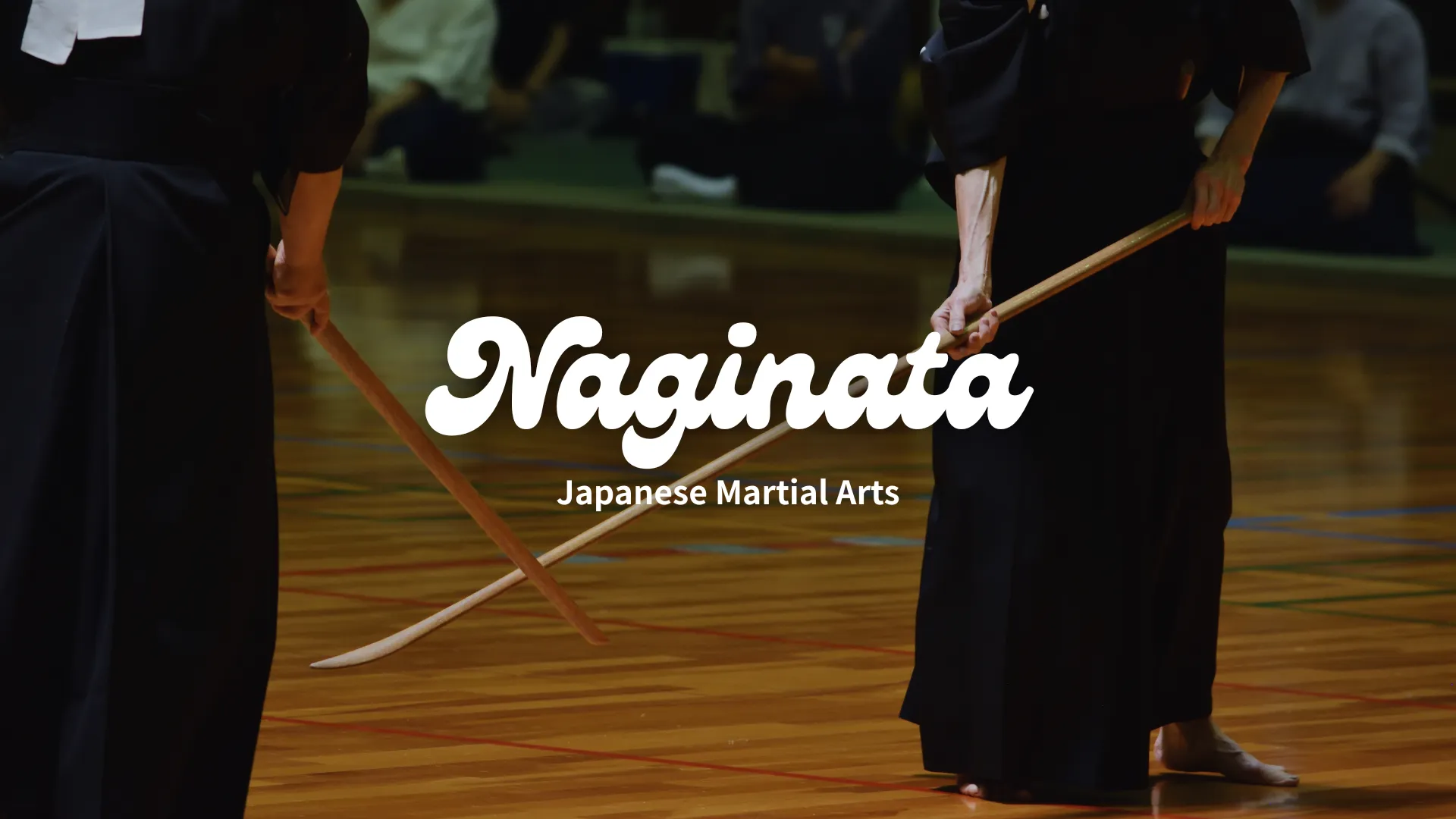
Discover Naginata in Japan, including its history, techniques, training, rules, philosophy, and cultural significance as a traditional polearm martial art.
Want to learn Japanese in Japan? Ask any questions!
Apply with Travelife Japan to receive personalized guidance, application support, and a smoother enrollment experience.
What Is Naginata?
Naginata is a traditional Japanese martial art centered on the use of the naginata, a long pole weapon with a curved blade at one end. Originally developed as a battlefield weapon during feudal Japan, the naginata was employed by samurai, ashigaru foot soldiers, and warrior monks (sōhei) for its versatility in slashing and thrusting from a distance. It later became closely associated with female martial practitioners, known as onna-bugeisha, and eventually evolved into a modern martial discipline called atarashii naginata.
The naginata’s history stretches back to the Heian and Kamakura periods, when polearms were among the primary weapons used on the battlefield. They were prized for their ability to engage mounted and foot soldiers alike. Over time, as warfare changed and firearms became more prevalent, the naginata’s battlefield role diminished. During the Tokugawa period (1603-1868), it became a symbol of status and defensive skill, particularly among samurai families.
Following Japan’s modernization in the Meiji era and the decline of the samurai class, naginata practice transitioned from practical combat art (naginatajutsu) to a standardized martial discipline (naginatadō). In the mid-20th century, organizations such as the All Japan Naginata Federation were established to promote the art formally as a way of discipline, physical development, and cultural preservation. Today, Naginata is practiced either as classic traditional schools (koryū naginatajutsu) or as atarashii naginata, a modernized form emphasizing training, competition, etiquette, and lifelong learning.

Naginata Techniques, Rules, and Training Style
Naginata martial practice is characterized by fluid, sweeping movements that combine thrusts, cuts, blocks, and distance control. The weapon itself typically consists of a long wooden or bamboo shaft with a curved steel or bamboo blade mounted at one end, giving it extended reach and versatility in offense and defense.
In atarashii naginata, practitioners train using a bamboo version of the weapon (similar to shinai in kendo) and protective armor. Training includes kihon (basic strikes and footwork), kata (prearranged forms that preserve classical techniques), and shiai (competitive matches). In kata, students focus on precision, rhythm, posture, and control. In shiai, points are earned by landing clean strikes to designated target areas on the opponent’s armor, such as the head, wrists, torso, or lower body, with correct form, timing, and spirit.
Traditional koryū naginatajutsu schools, like Tendō-ryū and Jikishinkage-ryū, maintain older, combative forms of the art that encompass a broader range of techniques and philosophies, often training with wooden naginata or other weapons. These classical schools emphasize historical technique, combat effectiveness, and lineage transmission alongside the philosophical aspects of martial study.
Naginata training places strong emphasis on balance, timing, posture, and flexibility. Practitioners learn footwork patterns that allow rapid advances and retreats while maintaining weapon control. Etiquette and discipline are integral; students bow to partners and instructors, maintain proper attire, and follow structured dojo practices. These elements foster mutual respect, personal discipline, and controlled physicality.
Naginata Philosophy, Values, and Cultural Significance
Naginata is deeply rooted in Japanese martial culture, merging its battlefield origins with the philosophical ideals that define many traditional budō arts. Atarashii naginata emphasizes personal growth, self-improvement, and harmony between mind and body. Practitioners are encouraged to cultivate discipline, respect for others, and awareness of one’s own intentions and movements.
Historically, the naginata became associated with women warriors, and this legacy influenced its development as a discipline practiced by women, especially in the early 20th century when it was incorporated into school physical education programs in Japan. Although this association persists in cultural perception, today the practice is open to people of all genders and ages.
Like other Japanese martial arts, Naginata promotes reiho, or etiquette, which emphasizes bowing, humility, and proper conduct both inside and outside the dojo. Through rigorous training and observance of ritual, students learn to respect tradition and fellow practitioners, reinforcing martial values that extend beyond physical technique.
Naginata also holds cultural significance as one of Japan’s classical martial traditions that continues to be taught, examined, and showcased both domestically and internationally. Organizations such as the All Japan Naginata Federation support competitions, grading systems, and the spread of Naginata as a living martial art with both traditional roots and contemporary relevance.

Conclusion
Naginata is a traditional Japanese martial art that bridges Japan’s feudal past with modern practice. Rooted in battlefield use and refined through centuries of cultural tradition, it emphasizes striking with a long polearm, disciplined training, and philosophical growth. Through both atarashii naginata and koryū naginatajutsu, practitioners develop physical skill, mental focus, and respect for tradition, making Naginata both a martial discipline and a path of lifelong study.
CONTACT US
For studying Japanese in Japan, please contact us.