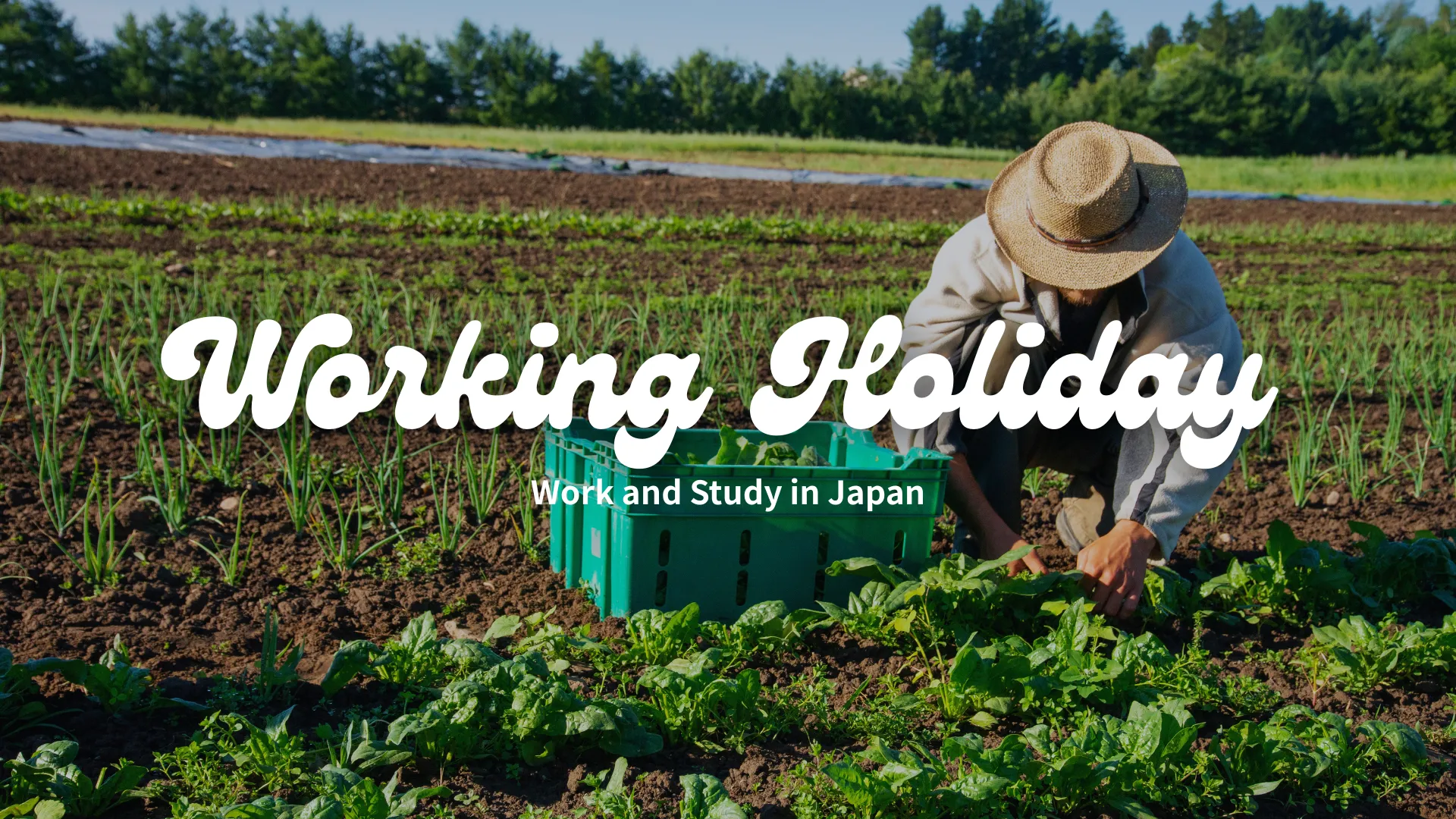
Learn how Japan’s Working Holiday visa works. Get eligibility, application steps, permitted jobs, travel tips, and how to make the most of your stay.
Want to learn Japanese in Japan? Ask any questions!
Apply with Travelife Japan to receive personalized guidance, application support, and a smoother enrollment experience.
What the Working Holiday Visa Is and How It Works
The Japanese Working Holiday visa is a special type of travel permit offered through bilateral agreements between Japan and partner countries. It allows eligible young people to stay in Japan primarily for holiday purposes while being permitted to work to supplement their travel and living funds. The program is designed to promote cultural exchange and give participants a deeper understanding of life in Japan.
Under this program, most participants can stay in Japan for up to one year, although arrangements may vary by country. The visa is not intended as a long-term employment visa but as a way to balance travel and work while experiencing Japanese culture. As of 2026, Japan has working holiday agreements with more than 30 countries including Australia, Canada, the United Kingdom, New Zealand, and many European and Asian nations.
Eligibility requirements generally include being between 18 and 30 years old at the time of application and holding a valid passport from an eligible country. Some countries have age limits set at 25. Applicants must show that they intend to spend time as a holiday visitor and have sufficient funds to support their initial period of stay, as well as a return travel ticket or the means to purchase one.
A Working Holiday visa allows participants to engage in part-time or full-time work in most industries to fund their stay, but it also comes with restrictions. Certain jobs that are considered against public morals, such as roles in nightclubs, adult entertainment, or gambling establishments, are prohibited for visa holders. Working in permitted sectors like hospitality, retail, teaching, seasonal tourism, or service work is common and helps applicants support themselves while enjoying Japan.
Applying for the Working Holiday Visa and Preparing for Your Stay
The Working Holiday visa application process must be done at the Japanese embassy or consulate in your home country or region. Requirements can vary, so it is important to check the specific rules on your local embassy’s website, but there are common documents needed such as a completed application form, a valid passport, recent photos, proof of enough savings, and a travel itinerary.
Applicants should prepare evidence of sufficient funds to support the start of their stay before they find work in Japan. Many authorities recommend showing at least a modest amount of savings to cover the first few months until you secure a job. Health insurance covering your stay is strongly recommended and may be required in some cases.
After the visa is issued, the first steps upon arrival in Japan are to enter through immigration, receive your landing permission, and then register your address at a local municipal office within 14 days. Once registered, you can open a bank account, sign up for national health insurance, and begin job hunting to supplement your travel funds.
Finding work in Japan while on a Working Holiday visa is generally easier in sectors like hospitality, cafes and restaurants, retail, seasonal positions such as ski resorts or farms, and teaching language or tutoring. Some participants also find work through online job boards and community groups or by visiting local employment centers. Building basic Japanese language skills before or during your stay will make finding work and navigating daily life much easier.
Life in Japan on a Working Holiday and Practical Tips
A Working Holiday in Japan is more than just travel; it is a chance to live like a local while earning money and making personal connections. Daily life includes managing housing, food, transportation, and cultural experiences. Housing options vary from share houses to short-term furnished rentals, and many participants choose places that allow flexibility since long leases can be difficult without a guarantor.
Although there is no strict work-hour limit like with student visas, Working Holiday visa holders must always obey immigration rules. Breaking regulations, such as engaging in prohibited work or overstaying the visa, can result in deportation and difficulties in future travel. It is important to understand these restrictions clearly before starting any job.
Budget planning is crucial. Many travelers recommend saving enough funds before departure to cover initial expenses and a safety margin, as it may take time to find suitable work. Learning basic Japanese greetings and etiquette also helps daily communication and influences employer impressions, which can improve job opportunities.
The Working Holiday experience can be deeply rewarding, allowing you to explore Japan’s cities, countryside, traditions, and festivals while gaining practical work experience. Whether you work at a ski resort in Hokkaido, serve in a cafe in Tokyo, or join a local festival team, this visa gives you the freedom to move around and grow personally and culturally.

Conclusion
A Working Holiday in Japan offers a rare opportunity to combine travel, cultural immersion, and employment. It allows young people to live in Japan for up to one year while gaining real-world experience, meeting new people, and improving language skills. To make the most of this chance, prepare thoroughly for your visa application, plan your budget, respect work restrictions, and embrace daily life in Japan. With the right approach, your working holiday can be both a memorable journey and a foundation for future opportunities.
CONTACT US
For studying Japanese in Japan, please contact us.