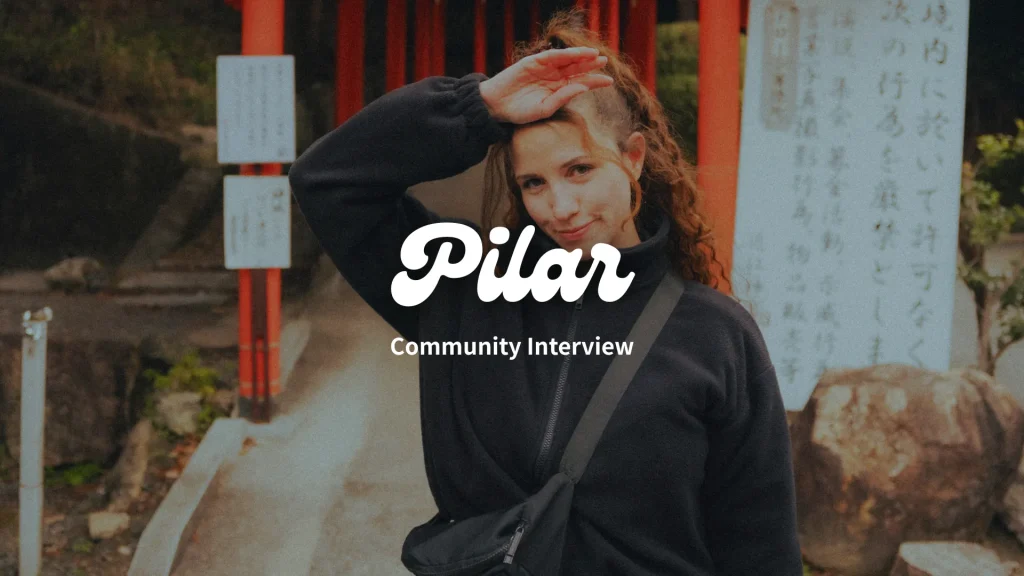
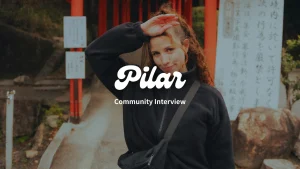
Meet Pilar, a Spanish Work & Holiday traveler exploring Japan through seasonal jobs, slow travel, and photography. From mandarin fields to snowy Niseko, she finds beauty, growth, and quiet meaning in everyday moments.
Want to learn Japanese in Japan? Ask any questions! Apply with Travelife Japan to receive personalized guidance, application support, and a smoother enrollment experience.
TOC
Interview on Life in Japan
*English Original / Japanese Translation
Where are you from? 出身はどこですか?
Spain
スペインです。
How long have you stayed in Japan? 日本にはどのくらいいますか?
3 months
3ヶ月
What do you do in Japan? 日本では何をしていますか?
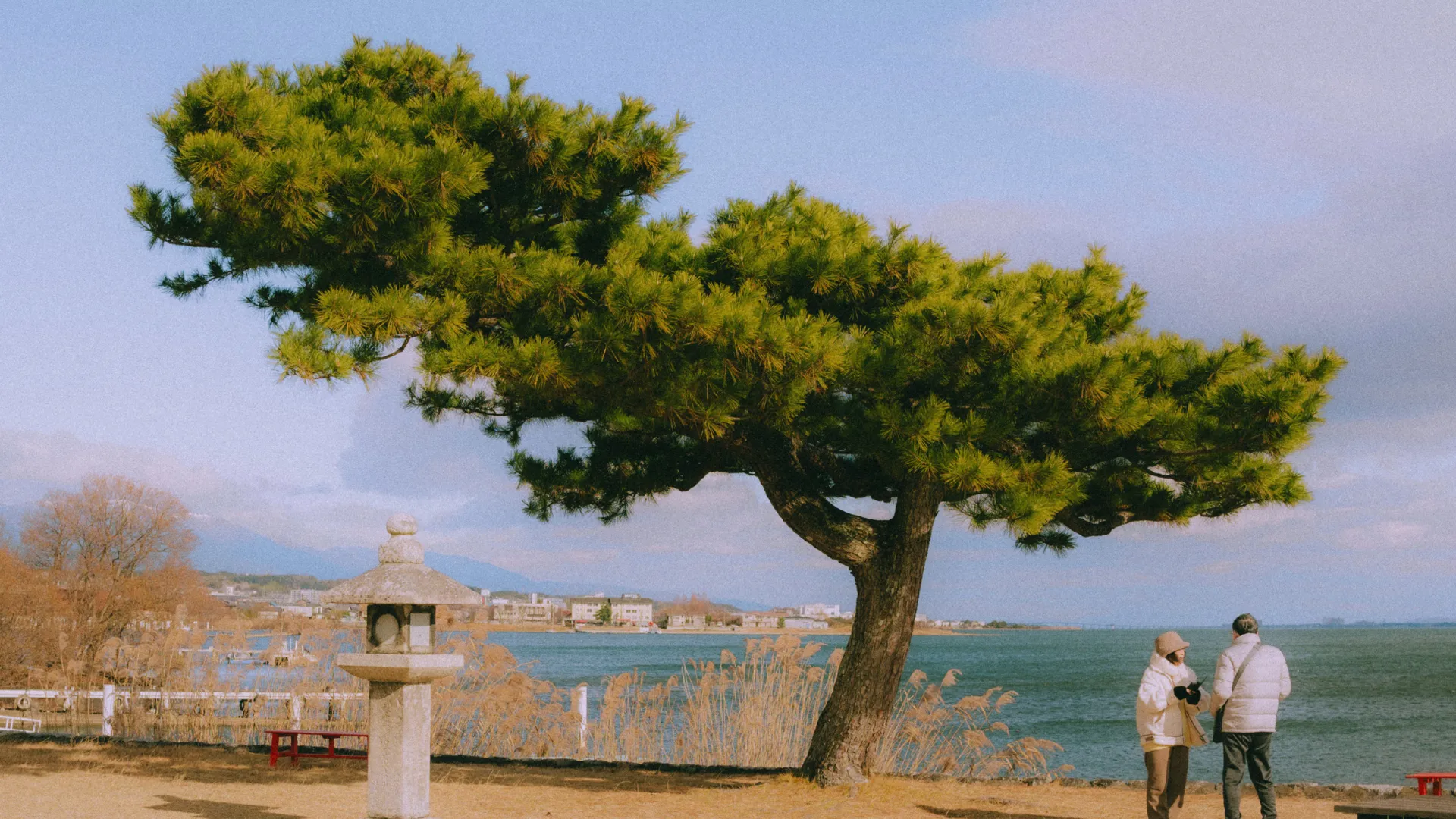
I’m currently in Japan on a Work & Holiday visa, (work and travel at the same time). I started picking mandarins in the countryside, waking up early with sticky hands and orange sunsets. Now I’m in Niseko working at a ski resort, surrounded by snow and a completely different rhythm. Japan feels like several countries in one. Between jobs, I travel slowly across the country. And I carry my camera everywhere. Always. Because I don’t want to forget this experience For me, the camera isn’t just documentation. It’s how I pay attention.
I’ve been interested in Japan since I was a child, when I started watching anime. At first it was pure fascinationthe storytelling felt different, more emotional, more reflective. I remember noticing the pauses, the quiet moments, the way characters expressed feelings without always saying them out loud. Years later, I came to Japan for the first time as a traveler, and something clicked. It wasn’t just aesthetic admiration anymore. I connected deeply with the atmosphere — the silence in temples, the respect in small interactions, the way everyday life felt intentional. Japan taught me to slow down. To notice. To do small things with care.
Why do you choose to stay in this city? なぜこの街を選びましたか?
I didn’t choose one specific city. I chose the experience of staying in Japan longer than a typical trip. Being here on a Work & Holiday visa allows me to move between places and see different sides of the country. From rural areas picking mandarins to snowy mountains in Niseko working at a ski resort, each location has shown me a different rhythm of life. I stay because I’m still learning. Every place teaches me something new about culture, about work, about myself. Japan feels layered. The more time you spend here, the more you understand what’s beneath the surface
Where is your local recommendation in this city? この街でのおすすめスポットは?
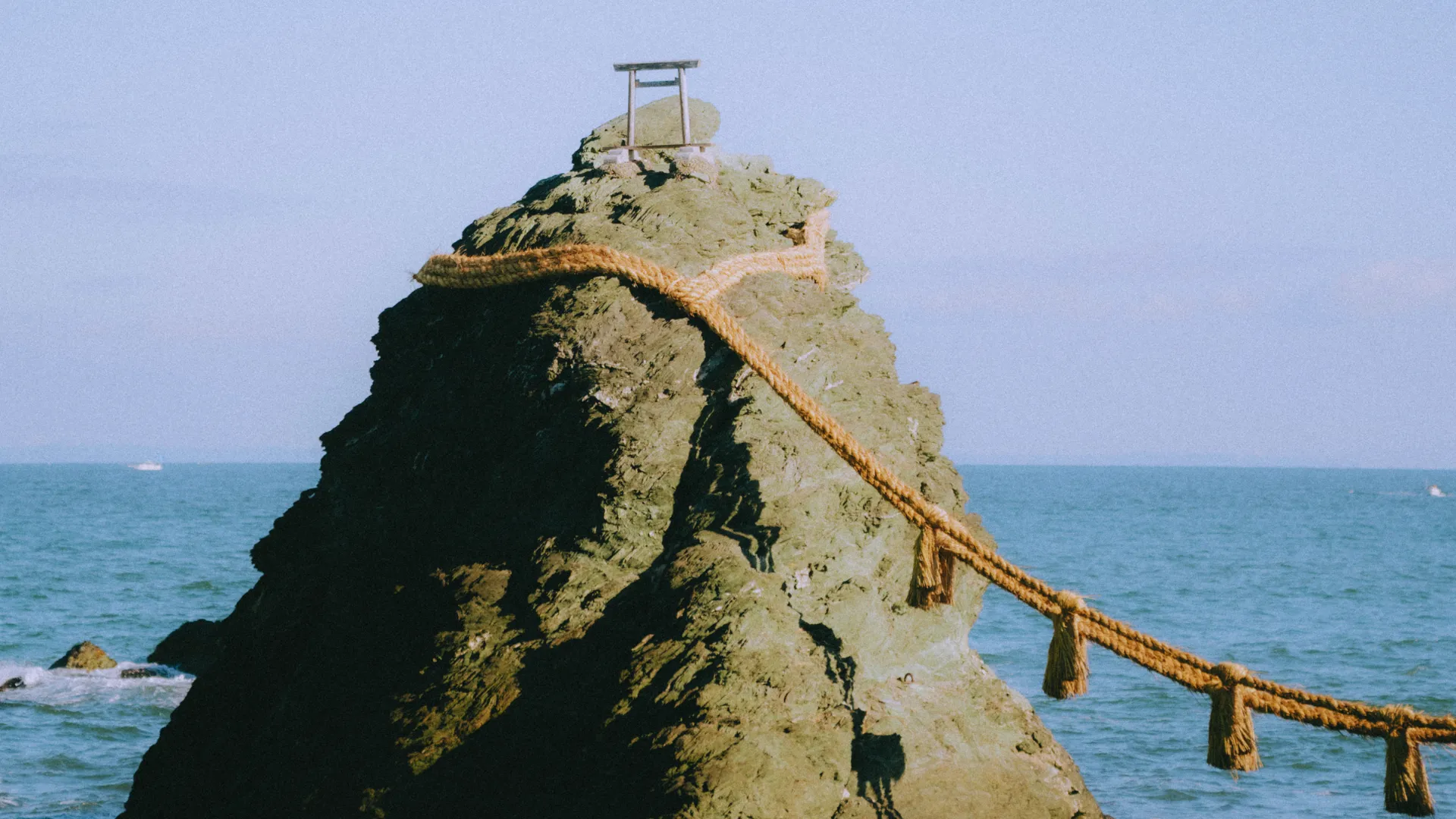
Instead of recommending one specific place, I would recommend small rituals you can do in any city in Japan. First: draw an omikuji at a temple or shrine. Even if you don’t fully understand it, it’s a beautiful way to connect with the space. I collect one in every place I visit — they feel like tiny time capsules of that exact moment in my life. Second: try gachapon machines. Sorry it it my obsession Also, try the local food wherever you are. Every region has something unique. And if you can, talk to locals. Even with basic Japanese. Some of my favorite moments here came from small, unexpected conversations. Japan reveals itself when you participate, not just when you observe.
What do you enjoy the most while staying in Japan? 日本での生活で一番気に入っていることは?
What I enjoy the most is the people I’ve met along the way. Different cultures, different stories, different reasons for being here.. I’ve also loved getting to know Japanese people beyond the surface. Observing how they communicate, how they work as a team, how much consideration they show in everyday situations. There’s a quiet kindness that doesn’t need to be dramatic. Living here has made me less quick to judge and more willing to adapt. Instead of comparing constantly, I’ve learned to observe first. Japan hasn’t just been a place for me it’s been a space to grow, connect, and rethink how I move through the world.
What is the biggest challenge being in Japan? 日本で一番大変だと感じることは?
The biggest challenge has been constantly readapting. Moving often, searching for new jobs, adjusting to new environments and routines. That transition period can be stressful, sending applications, organizing logistics, stepping into the unknown once more. And then there are the goodbyes. I’ve met amazing people from different countries, different backgrounds and forming real connections knowing they might be temporary isn’t always easy. But I decided to live this way. I wanted movement. I wanted growth.
What are the differences between Japan & your country? 日本と母国の違いは何ですか?
One of the biggest differences between Japan and Spain is the relationship with silence and space. In Spain, we are expressive, loud, spontaneous. We talk over each other, we improvise, we fill silences quickly. It’s warm and alive. In Japan, silence feels respected. It has weight. It’s not awkward it’s meaningful. Another difference is intentionality. In Japan, even small actions feel thoughtful how something is wrapped, how food is presented, how a store clerk interacts with you. There’s a strong sense of care in everyday details. In Spain, warmth comes more from emotion and closeness. Japan also functions in an incredibly convenient and structured way. Public transport, organization, systems everything runs smoothly. In Spain, things feel more flexible, sometimes chaotic, but also more relaxed. Both cultures have beauty
My dream is to build a life that feels intentional and calm even if it moves. I want to keep exploring different cultures, working in new places, and telling stories through my camera. But not in a rushed or chaotic way. I don’t dream of constant noise or chasing success for the sake of it. I dream of a quiet kind of freedom. A life where I can choose where I live, create meaningful work, connect deeply with people and still have slow mornings. Time to think. Time to notice. Time to do things with care. Japan has taught me that a peaceful life doesn’t have to be small. It can be simple, intentional, and still full of depth.
Favorite Japanese (Anime / Artist / Song / Food / Movie)? and why? 好きな日本の作品(アニメ/アーティスト/曲/食べ物/映画)は?理由も教えてください。
Recently I watched Perfect Days and it completely stayed with me. I think it captures something very subtle and very Japanese the beauty of repetition, routine, and quiet presence. The main character lives a simple life, but it doesn’t feel small. It feels intentional. The way he notices light, music, small rituals… it reminded me of how Japan encourages you to pay attention. Since living here, I’ve started appreciating slower mornings, everyday details, even silence. The film doesn’t try to impress you it invites you to observe. And I love that.