Explore Sado in Japan, the traditional tea ceremony art, its history, rituals, philosophy, techniques, and cultural significance as the Way of Tea.
Want to learn Japanese in Japan? Ask any questions!
Apply with Travelife Japan to receive personalized guidance, application support, and a smoother enrollment experience.
What Is Sado?
Sado, also known as Chadō or the Japanese tea ceremony, is a time-honored cultural tradition in Japan centered around the ceremonial preparation, presentation, and drinking of powdered green tea (matcha). The term Sadō (茶道), literally “the way of tea,” reflects its deeper meaning as a spiritual and aesthetic discipline rather than simply a method of serving tea. In Japanese culture, Sado exists as a practice of mindfulness, hospitality, and refined ritual that elevates everyday actions into an art form.
The roots of Sado stretch back over centuries. After tea was introduced to Japan from China around the 9th century, it was initially consumed in monasteries and among the elite as a medicinal beverage. Over time, the ritualistic preparation of tea became more formalized, especially during the 16th century under the influence of tea masters such as Sen no Rikyu, who shaped the aesthetic principles and etiquette that define the tea ceremony today.
What sets Sado apart from ordinary tea drinking is its emphasis on harmony, respect, purity, and tranquility. Every gesture in the ceremony—from walking into the tea room to handling utensils—is performed intentionally to reflect these values. The tea ceremony takes place in a tearoom (chashitsu), often set within a garden path (roji), where the environment and season enhance the overall experience.

Sado Techniques, Rituals, and Practice Style
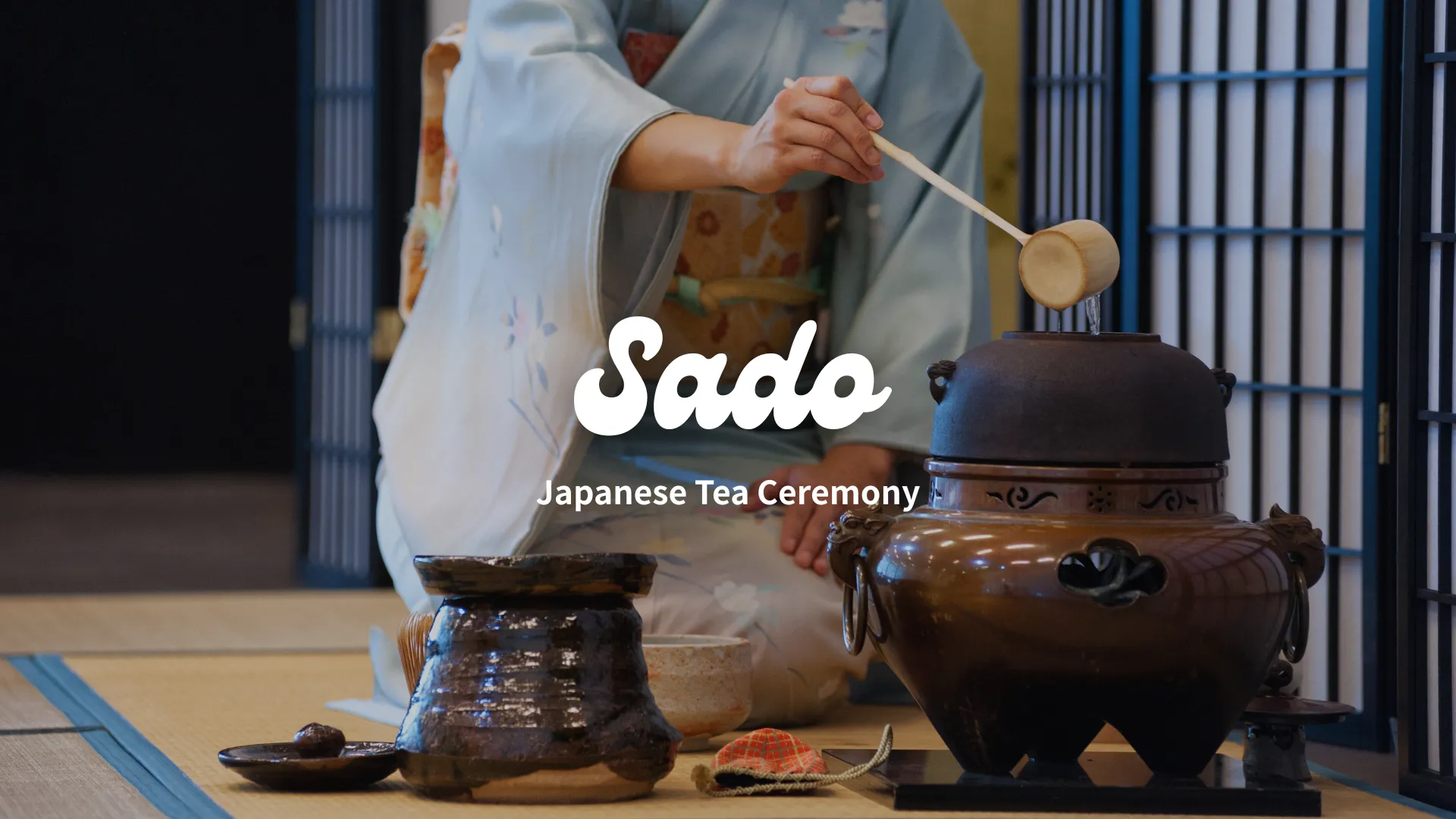
Sado encompasses a precise sequence of actions collectively known as otemae, which refers to the host’s method of preparing and serving tea. Tea utensils used in the ceremony include the chawan (tea bowl), chasen (bamboo whisk), chashaku (tea scoop), and kettle. Each tool has symbolic importance, and proper handling reflects the host’s respect for tradition and guests.
The tea ceremony begins with the host welcoming guests into the tearoom, followed by a period of quiet appreciation of the surroundings. Guests may be offered seasonal sweets before the tea is prepared. To prepare matcha, powdered green tea is placed into the tea bowl, hot water is added, and the tea is whisked until it becomes a smooth, frothy mixture. Every movement during this process is deliberate and graceful.
There are different formats of the ceremony, from the informal chakai to the formal and lengthy chaji. In chakai, guests may enjoy sweets, thick tea (koicha), and thin tea (usucha), whereas chaji includes multiple courses and follows a strict timetable. Regardless of the format, etiquette plays an essential role—guests are expected to sit properly, handle tea utensils respectfully, bow politely, and express gratitude.
The practice of Sado is not limited to the actions of making and drinking tea. It involves understanding seasonal motifs, the selection and display of flowers, the arrangement of tea utensils, and even the layout of the garden path leading to the tearoom. These elements together create a holistic aesthetic experience that engages sight, smell, and presence.
Sado Philosophy, Values, and Cultural Significance
At the heart of Sado lies a philosophical framework influenced by Zen Buddhism and Japanese aesthetics. The ceremony embodies concepts such as wabi-sabi, the appreciation of simplicity, imperfection, and transient beauty. The tearoom’s rustic design, seasonal decorations, and handcrafted utensils are all expressions of this aesthetic ideal.
Four core principles of the tea ceremony—wa (harmony), kei (respect), sei (purity), and jaku (tranquility)—guide both host and guests throughout the ritual. These values extend beyond the physical ceremony into daily life, emphasizing mindful presence, mutual respect, and inner calm.
Another central concept in Sado is ichi-go ichi-e (“one time, one meeting”), which encourages participants to appreciate the uniqueness of every encounter, as no two moments can be replicated. This idea fosters deeper human connection and appreciation for each shared experience.
Culturally, Sado holds a prominent place in Japanese arts and society. It is considered one of the three classical arts of refinement—alongside kado (flower arranging) and kodo (incense appreciation). The tea ceremony has historically played roles in fostering diplomatic relations, social gatherings, and spiritual practice. In modern Japan, Sado continues to be studied in schools, cultural centers, and dojos, preserving an art form that bridges tradition with contemporary life.

Conclusion
Sado, the Japanese way of tea, is far more than a method of preparing matcha. It is a refined cultural practice that blends ritual, philosophy, and aesthetic appreciation. Every gesture reflects values of harmony, respect, purity, and tranquility, rooted in Zen and traditional Japanese aesthetics. As both a spiritual discipline and cultural heritage, Sado continues to connect people with presence, mindfulness, and timeless beauty.
CONTACT US
For studying Japanese in Japan, please contact us.